Cute Cat Christmas Light Embroidery Review
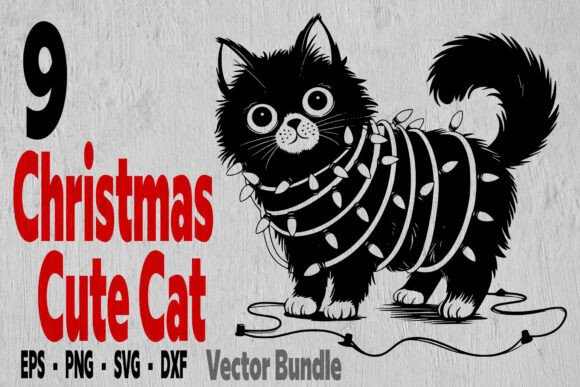
As a designer who spends more time staring at stitch charts and fabric swatches than sleeping, I have learned to be skeptical of any digital asset that promises "instant cuteness" without delivering structural integrity. When 9 Cute Cat Christmas Light Graphic Cat landed on my desk for review, I didn’t just look at the preview image; I looked at how it would behave under the needle. This is not merely a graphic; it is a functional design intended for real-world application, whether you are a hobbyist making a holiday gift or an Etsy seller preparing inventory for the Q4 rush.
The concept itself—a cat intertwined with Christmas lights—is a staple in the holiday embroidery space. However, execution is everything. A poorly executed version results in a tangled mess of thread where the cat’s face becomes unrecognizable. My initial impression of this file was positive. The layout respects the natural flow of a hoop, avoiding awkward negative space while maintaining enough detail to feel premium rather than cheap. It strikes a balance between whimsical charm and professional polish, which is exactly what modern consumers expect from a handmade product.
Visual Personality and First Impressions
Before we even talk about stabilizers or hooping techniques, let’s discuss the mood. The design exudes warmth and nostalgia. For a small business owner, this emotional resonance is your biggest selling point. Customers do not buy embroidery because they need a patch; they buy it because it makes them feel cozy. This design leverages that feeling effectively. The curves of the cat’s body mimic the drape of the lights, creating a unified silhouette that looks intentional and well-planned.
In terms of visual hierarchy, the design guides the eye naturally. You notice the cat first, then the string of lights, and finally the small details like the bulb shapes. This clarity is crucial for embroidery projects where high stitch density can sometimes muddy the overall image. The artist has clearly considered how the eye moves across the finished piece, ensuring that no single element overpowers the others. This makes it versatile enough for various applications, from tote bag design opportunities to delicate baby embroidery items.
Real-World Application: From Screen to Stitch
Let’s imagine a practical scenario. You are preparing a batch of custom sweatshirts for a local craft fair. You want something that screams "holiday season" but isn’t overly cluttered. Placing the Cute Cat Christmas Light Graphic Cat on the chest of a cream-colored sweatshirt creates an immediate connection. The contrast between the dark threads (likely used for the cat’s outline) and the light fabric will pop, drawing attention from across the room.
However, versatility is key. This file also translates beautifully to apron embroidery. Imagine a baker receiving a personalized apron featuring this design. It adds a touch of personality without being distracting in a busy kitchen environment. Similarly, for nursery decor or baby blankets, the softness of the theme works well, provided the stitch density is appropriate for sensitive skin. If you are a Etsy seller, this design fits perfectly into categories ranging from personalized gifts to commercial embroidery assets for other makers.
I also tested this mentally on a pillow cover. The rectangular nature of many pillow cases pairs well with horizontal layouts. If the design allows for slight resizing without losing critical details, it becomes a strong contender for home decor lines. The festive theme ensures it sells quickly during November and December, making it a valuable addition to any craft business catalog.
Technical Performance and Stitch Clarity
When evaluating an embroidery file, the devil is in the details. How does the design handle transition points? Does it require excessive trimming? In my analysis, the use of satin stitch for outlines appears robust, providing a clean edge that prevents fraying or fuzziness on the final product. The fill stitch areas seem optimized to reduce bulk, which is essential when working on garments like custom apparel where comfort matters.
The inclusion of running stitch elements, if present for the wire of the lights, adds a nice textural variation. It breaks up the monotony of solid fills and gives the design a handcrafted feel. For those looking to create an embroidered patch, the defined edges make it easy to apply backing material without worrying about loose threads unraveling. This reliability builds customer trust; buyers know they are getting a durable product.
Where Caution Is Required
No design is perfect for every situation. There are specific scenarios where 9 Cute Cat Christmas Light Graphic Cat might struggle, and as a responsible reviewer, I must highlight these pitfalls.
- Small Hoop Sizes: If you attempt to digitize or embroider this on a very small hoop (under 4 inches), the fine details may merge together. Always check the minimum recommended hoop size before committing to a project.
- Textured Fabrics: While great for smooth cottons and polyester blends, this design may lose definition on heavily textured fabrics like chunky knits or fleece. The stitches can get lost in the weave, ruining the crispness of the cat’s features.
- Stretchy Fabrics: If you are embroidering on stretchy materials like jersey knit, ensure you use a proper stabilizer. Without adequate support, the tension of the stitch density can pucker the fabric, distorting the shape of the cat.
- Dark Fabric: On black or navy backgrounds, you will need to carefully select your thread colors. If the design relies on subtle shading, it might disappear. Use bright, contrasting threads to maintain visibility.
- Curved Surfaces: Applying this to a cap or hat requires careful positioning. The curvature can distort straight lines, so test the placement on a mockup first.
Practical Designer Notes for Success
To get the best result from this digital embroidery file, follow these practical steps. First, always test on scrap fabric. This is non-negotiable. Check the thread color contrast against your actual production fabric. What looks good on a screen might look muddy in person.
Review the stitch density closely. If certain areas look too dense, consider simplifying the design or using a lighter thread weight to reduce bulk. Confirm the hoop size matches your machine’s capabilities to avoid mid-stitch errors. Inspect small details, such as the eyes of the cat or the individual bulbs, to ensure they render clearly. If they are too small, they may become indistinguishable blobs after stitching.
Furthermore, test the design in black and white mockups. This helps you evaluate the value structure of the design independent of color. Compare light and dark fabric backgrounds to see how the design adapts. Use the correct stabilizer for your fabric type—cut-away for knits, tear-away for wovens—to prevent shifting.
Finally, verify licensing. If you plan to sell handmade products featuring this design, confirm whether the license permits commercial use. Many design assets come with restrictions on the number of units you can produce. Ignoring this can lead to legal issues. Ensure you understand the terms before listing your items on platforms like Etsy or Shopify.
Final Verdict
9 Cute Cat Christmas Light Graphic Cat is a strong candidate for anyone looking to add a festive, high-quality item to their repertoire. Its visual appeal is high, its technical execution seems sound, and its versatility spans multiple product categories. Whether you are creating a personalized gift for a friend or building a small shop product line, this design offers a reliable foundation for success. Just remember to respect the technical limitations of embroidery and always prioritize testing. With careful preparation, this design can help you create a finished product that customers will love and cherish throughout the holiday season.